
Most Orange County service businesses don’t have an SEO problem. They have twelve small SEO problems stacked on top of each other, each one shaving a little visibility off a site that should already be ranking. When we audit websites for dentists, contractors, HVAC companies, and salons across Huntington Beach, Irvine, Costa Mesa, and Anaheim, the same common organic SEO mistakes keep surfacing — and most of them are fixable in an afternoon.
This is the short list we work through before we recommend anything expensive. If your site has half of these issues, you almost certainly have room to grow organic traffic without spending another dollar on ads.
On-Page Basics That Waste Your Strongest Ranking Signals
The first four mistakes are the ones we find on nearly every site, and they cost the most visibility for the least effort to fix.
1. No clear primary keyword per page. The number one mistake we see: a homepage trying to rank for “HVAC,” “AC repair,” “heating installation,” “indoor air quality,” and “Huntington Beach” all at once. Google can’t tell what the page is about, so it ranks it for nothing in particular. Every page needs one primary keyword and one job. Service pages should target one service in one city. Blog posts should answer one question.
2. Title tags that waste the most valuable real estate on the site. We still find title tags that read “Home | Company Name” or “Welcome to Our Website.” The title tag is the single strongest on-page ranking signal and the first thing a searcher reads in the results. A usable title tag names the service, the city, and the business — “Emergency AC Repair in Huntington Beach | Company Name” beats “Home” every time.
3. Missing or duplicate meta descriptions. Meta descriptions don’t directly rank the page, but they control the click-through rate from the search results. A generic description copied across 40 pages tells Google you didn’t care enough to write one. Each page needs a unique 140–165 character description that names the service, the location, and one reason to click.
4. H1 tags that don’t match search intent. On Orange County sites we constantly find H1s like “Quality You Can Trust Since 2004” — a slogan, not a subject. Someone searching “kitchen remodel Costa Mesa” needs to see “Kitchen Remodeling in Costa Mesa” at the top of the page, not a mission statement. One H1 per page, and it should echo the target keyword in natural language.
Thin Content and Location Pages That Don’t Name a Location
5. Thin service pages. A 120-word service page with a stock photo and a phone number will not rank against a competitor with 900 words of specific detail. A useful service page explains what the service includes, who it is for, how the process works, what makes your version different, and which neighborhoods you cover. Our full breakdown of what belongs on these pages is in the on-page checklist we run before any organic SEO campaign starts.
6. No location signals on location pages. If you want to rank in Fullerton, the Fullerton page needs to mention Fullerton — the neighborhoods, the landmarks, the ZIP codes, the freeways people take to get there. We see “Serving Orange County” pages that never name a single city. Google treats that as a page about nowhere. If you’re comparing agencies on how they handle local pages, Fullerton SEO companies compared walks through what to look for.
Broken Internal Linking and Site Architecture

7. Missing internal linking. Internal links tell Google which pages matter and how they relate. Most Orange County sites have a top nav, a footer, and nothing else. Blog posts float alone. Service pages don’t link to each other. City pages don’t link to service pages.
Every blog post should link to at least one service page and one related post. Every service page should link to the location pages it serves and any relevant blog content. Use descriptive anchor text — not “click here.” A well-linked site pushes authority into the pages you actually want ranking.
Technical Hygiene: Images, Speed, and Schema
8. Images with no alt text and massive file sizes. We still audit sites in 2026 where the hero image is a 4.8 MB PNG straight out of a phone camera. That single file can push mobile load time past four seconds, and mobile speed is a direct ranking factor. Compress every image, use modern formats (WebP or AVIF), and write real alt text that describes the image and includes the relevant keyword where natural.
9. Ignoring schema markup. Schema is the structured data Google reads to understand what a page is about. A LocalBusiness schema on the homepage, a Service schema on service pages, an FAQ schema on pages with real Q&A — these are quiet but real visibility boosts, and they increasingly matter for AI answer engines pulling from your site. Most Orange County sites we audit have no schema at all. Adding basic LocalBusiness markup takes an hour.
Neglected Google Business Profile

10. No Google Business Profile optimization. Organic SEO and Google Business Profile are separate systems, but they feed each other. A neglected GBP — no service list, no photos in six months, no posts, three reviews from 2022 — will drag down the organic performance of the whole domain in local searches.
Claim the profile, fill out every field, add real photos monthly, respond to every review, and post at least twice a month. This is the same discipline that decides which restaurants land in the Map Pack, which we broke down in how the three results get chosen.
Chasing Backlinks Before the Foundation Is Fixed
11. Buying links before fixing the on-page work. Owners hear “you need backlinks” and start buying them, exchanging them, or paying someone in a Slack group $50 apiece. If the on-page work is broken, backlinks pointing at a weak page waste the link equity.
Fix the items above first. Then earn links the slow way — local sponsorships, chamber listings, guest posts on genuinely relevant sites, and content other people actually want to cite. Paid link schemes carry real penalty risk that can undo months of legitimate work.
No Tracking, So No Idea What’s Working

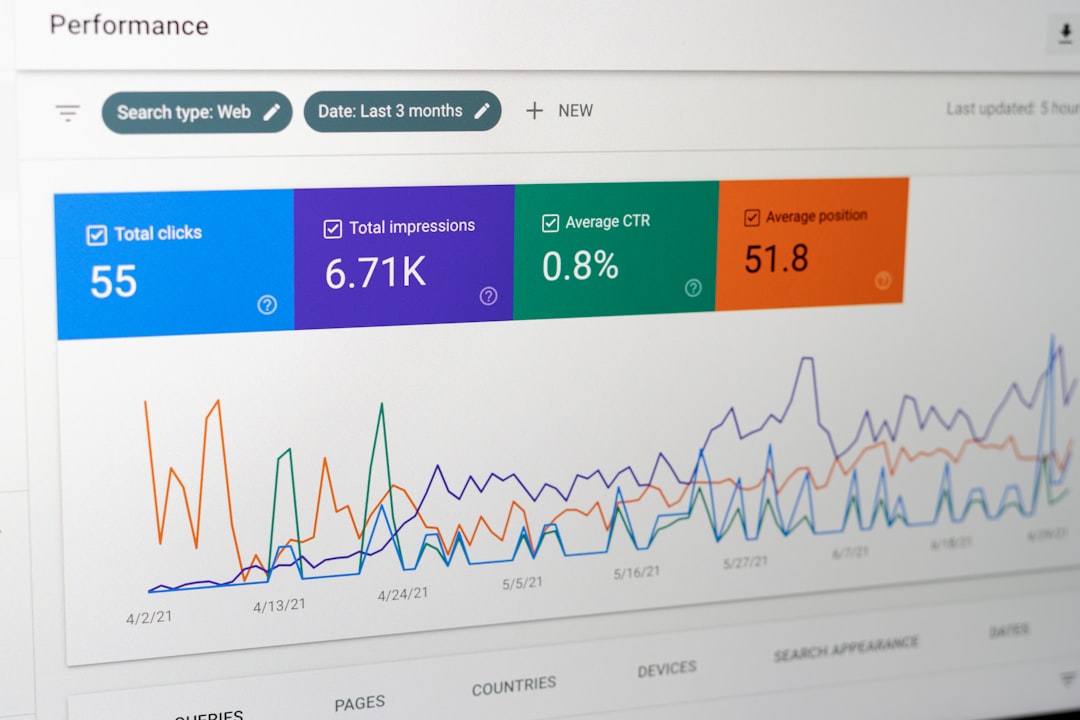
12. Flying blind on analytics. We audit sites every month that have no Google Search Console, no analytics, or analytics installed but never checked. Without tracking, you cannot tell which pages get traffic, which queries you rank for, or which fixes moved the needle.
At a minimum: Google Search Console verified, GA4 installed, conversion tracking on every form and phone click. Review it monthly. If your current agency does not send you a report that shows keyword rankings, traffic sources, and conversions, you are flying blind.
What to Do With This List
Read through your site with this checklist open. Every item you can check off is compounding value — organic traffic keeps working long after the fix, unlike paid ads that stop the moment you stop paying. We made the full argument for that shift in the organic playbook for Southern California.
If you want a second set of eyes, the free website audit at orrkumedia.com walks through these same twelve items on your specific site and flags what to fix first. No pitch, no contract — just the list. And if you are still deciding whether traditional organic SEO is even the right lane in 2026 versus optimizing for AI answer engines, SEO vs GEO is the honest breakdown.
Most Orange County sites don’t need more marketing spend. They need the twelve boring fixes above.
Photos by KOBU Agency, Loui Kiær, Jakub Żerdzicki, Andy Holmes on Unsplash.