
If you are talking to an SEO agency right now, the first real question on your mind is probably not “what’s your process?” It’s “how long until this actually works?” That is the fair question, and it is also the one most agencies dodge with vague answers like “SEO is a long game” or “it depends.” Both are technically true and completely useless when you are trying to decide whether to spend money for the next six months.
So let’s answer it directly. How long does organic SEO take? For a local service business in Orange County, meaningful organic movement usually starts showing up somewhere between month three and month six, with the biggest compounding gains landing between months six and twelve. Below is what each stage actually looks like — what work is happening, what results you should expect, and what should make you nervous if you are not seeing it.
Why Organic SEO Has a Timeline at All
Paid ads turn on the moment your card is charged. Organic SEO does not, because you are not renting attention — you are building an asset that Google has to crawl, evaluate, and trust before it sends you traffic. Three forces set the pace:
- Crawl and indexing cycles. Google has to discover new pages, re-crawl updated ones, and decide where they belong in its index.
- Ranking evaluation. Even after indexing, Google tests pages at different positions to see how users respond before settling them into a stable ranking.
- Trust and authority signals. Reviews, citations, backlinks, and behavioral signals accumulate over months, not days.
Any organic SEO company promising page-one rankings in 30 days is either lying, targeting a keyword nobody searches, or planning to run ads and call it SEO. If you want a filter for that conversation, these nine questions expose a bad SEO company quickly.
Month 1: Foundation, Not Fireworks
Month one is almost entirely invisible from the outside. If your agency is doing the work right, most of it is happening under the hood.
What should be happening:
- Full technical audit of the site (crawl errors, indexing issues, page speed, mobile usability, schema)
- Keyword research grounded in what your local customers actually type — not just high-volume vanity terms
- On-page fixes: title tags, meta descriptions, header structure, internal linking, image compression
- Google Business Profile audit and cleanup (categories, services, photos, description, Q&A)
- Baseline measurement so month six has something to compare against
What you should see: Very little in traffic or rankings. What you should see is a written audit, a prioritized fix list, and updated pages in your CMS. If month one ends with no artifacts you can look at, that is a problem.
Foundation work matters this much because content and links pushed onto a broken site compound very slowly. The on-page checklist we run before starting any campaign covers what should already be in place before you invest in anything else.
Month 2: Content and Local Signals Start Shipping

By month two, the fixes from month one are indexed and the campaign moves from cleanup to creation.
What should be happening:
- Publishing service pages and location pages that map to real buyer queries
- First round of blog content targeting the questions your customers ask before they call
- Local citation cleanup — making sure your name, address, and phone are consistent across directories
- Review generation systemized (not just “ask nicely”) so Google sees a steady drip
- Internal linking between new content and money pages
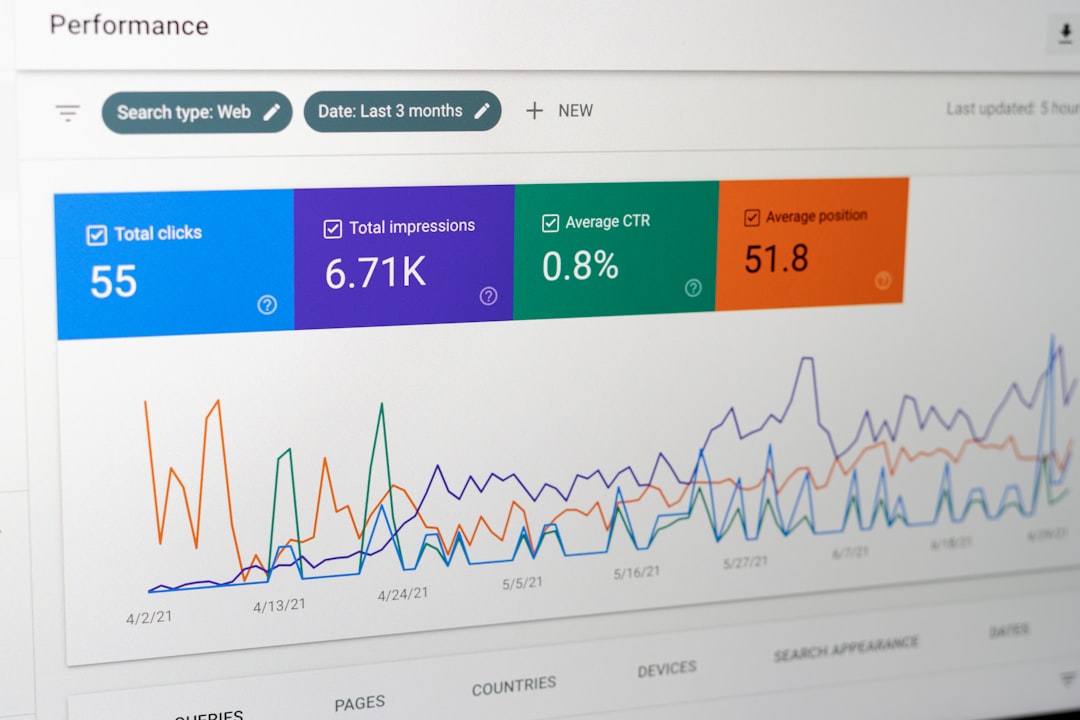
What you should see: Movement on long-tail, low-competition keywords. Impressions in Google Search Console should start climbing even if clicks are still modest. Google Business Profile views often move first because local SEO reacts faster than broad organic search.
If your agency is not publishing anything in month two, ask what they are doing. Here is what a marketing agency should actually be doing week by week so you can compare.
Month 3: The First Real Signals
Month three is the checkpoint. It is where you should start seeing evidence that the strategy is working, even if the revenue is not yet meaningful.
What you should reasonably see by month three:
- Rankings on the first two pages for a handful of local, buyer-intent keywords
- Measurable increase in Google Business Profile calls, direction requests, and website clicks
- Traffic growth on informational blog content (people finding you through questions)
- The first inbound leads that came specifically from organic search — usually a small but real number
What you should not expect: A flood of leads. A #1 ranking for your most competitive keyword. A doubled pipeline. Anyone promising those things at month three is setting you up to be disappointed at month four.
Month three is the honest cutoff for evaluating whether an agency understands your business. The direction of the trend matters more than the size of it. If impressions, clicks, and GBP interactions are all trending up — even slightly — the flywheel is spinning. If nothing is moving after 90 days of consistent work, something is wrong with the strategy, not the timeline.
Month 6: Compounding Starts

Month six is where SEO stops feeling like an expense and starts feeling like an asset.
What a healthy month six looks like:
- Multiple keywords ranking on page one, including some with real commercial intent
- A meaningful share of new leads attributing to organic search rather than referrals or ads
- A library of 15–25 pages of content that continue earning traffic without new spend
- Local pack visibility for your primary city and at least one or two neighboring service areas
- Enough data to double down on what is working and cut what is not
This is also the point where the 12-month math on organic versus paid ads starts to shift in organic’s favor. The leads you paid for in month one of a Google Ads campaign are gone. The leads you build toward in month one of an SEO campaign are still working for you in month six and beyond.
Competitive Orange County markets — dental, HVAC, contractors, legal — often take nine to twelve months to reach top-three positions for the highest-value keywords. But month six is where you can confidently say the investment is compounding, and where cutting it would mean walking away from an asset that is finally earning.
What Changes the Timeline
These ranges assume a reasonably healthy starting point. Real timelines shift based on:
- Site age and history. A five-year-old site with clean history moves faster than a brand-new domain.
- Competition in your city. Ranking a dentist in a smaller Orange County suburb is faster than ranking one in Newport Beach.
- Content velocity. Two published pages a month compound slower than eight.
- Existing technical debt. A site with major crawl or speed issues loses month one to fixes.
- Reviews and reputation. A GBP with 200 recent reviews outranks one with 12, all else equal.
What you pay for also changes what the timeline can deliver. Here is what agencies typically charge for the services in our package so you can gut-check whether the scope you are quoted actually matches the timeline you are being promised.
What to Ask Before You Commit
If you are evaluating an organic SEO company right now, three questions will tell you most of what you need to know:
- What does month one deliver that I can look at?
- What are the specific metrics you will report at month three, and what would tell you the strategy is not working?
- What is the month-to-month commitment, and what happens to the work if I stop?
At Orrku Media, our SEO engagements are month-to-month, founder-led, and start at transparent daily pricing with no setup fees. If you want to talk through what a realistic timeline looks like for your specific business, call (714) 732-8549 or reach out through orrkumedia.com. A straight 20-minute conversation beats signing something that will not pay off until you have already given up on it.
Photos by Eric Rothermel, Markus Winkler, Myriam Jessier on Unsplash.