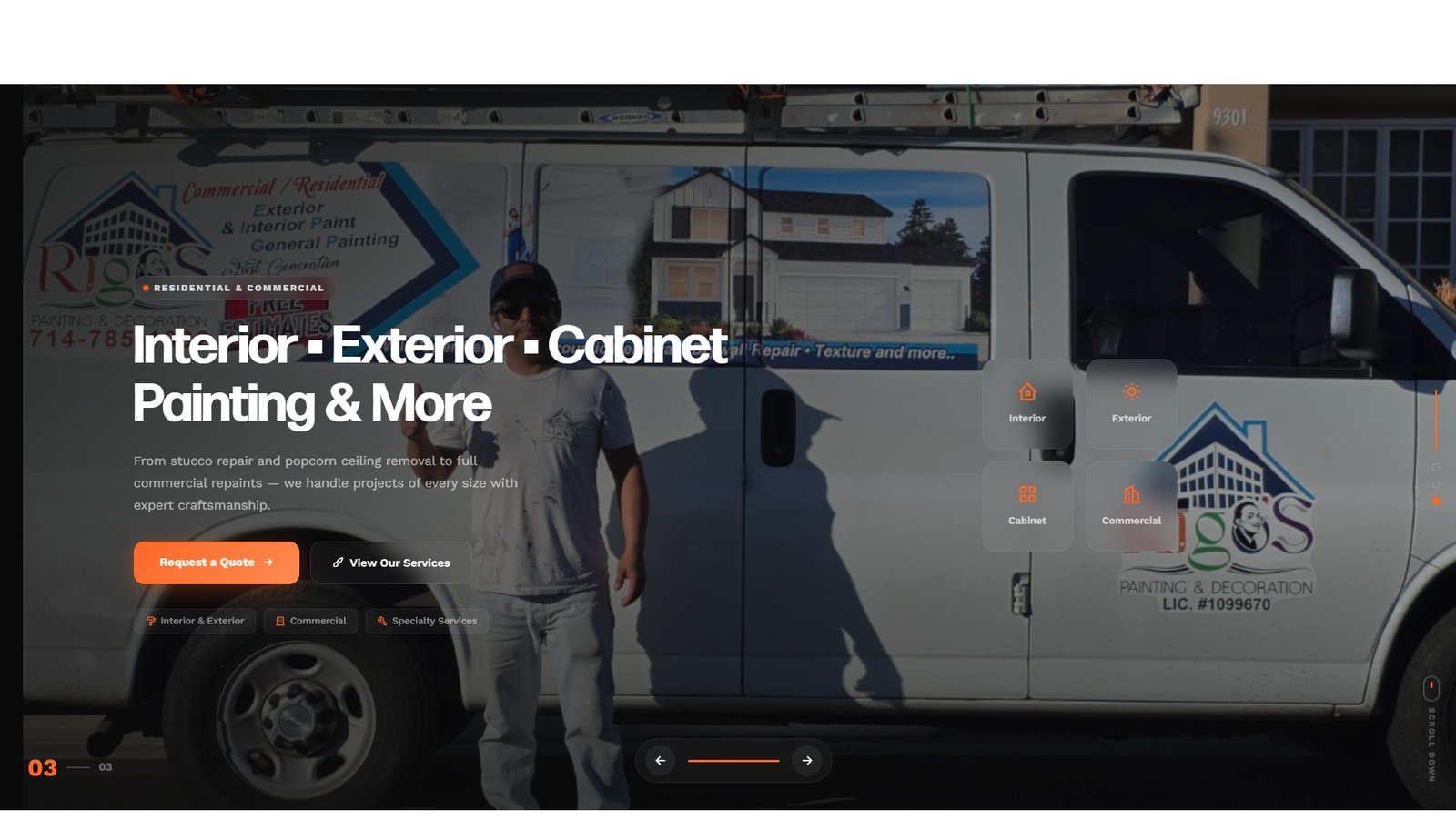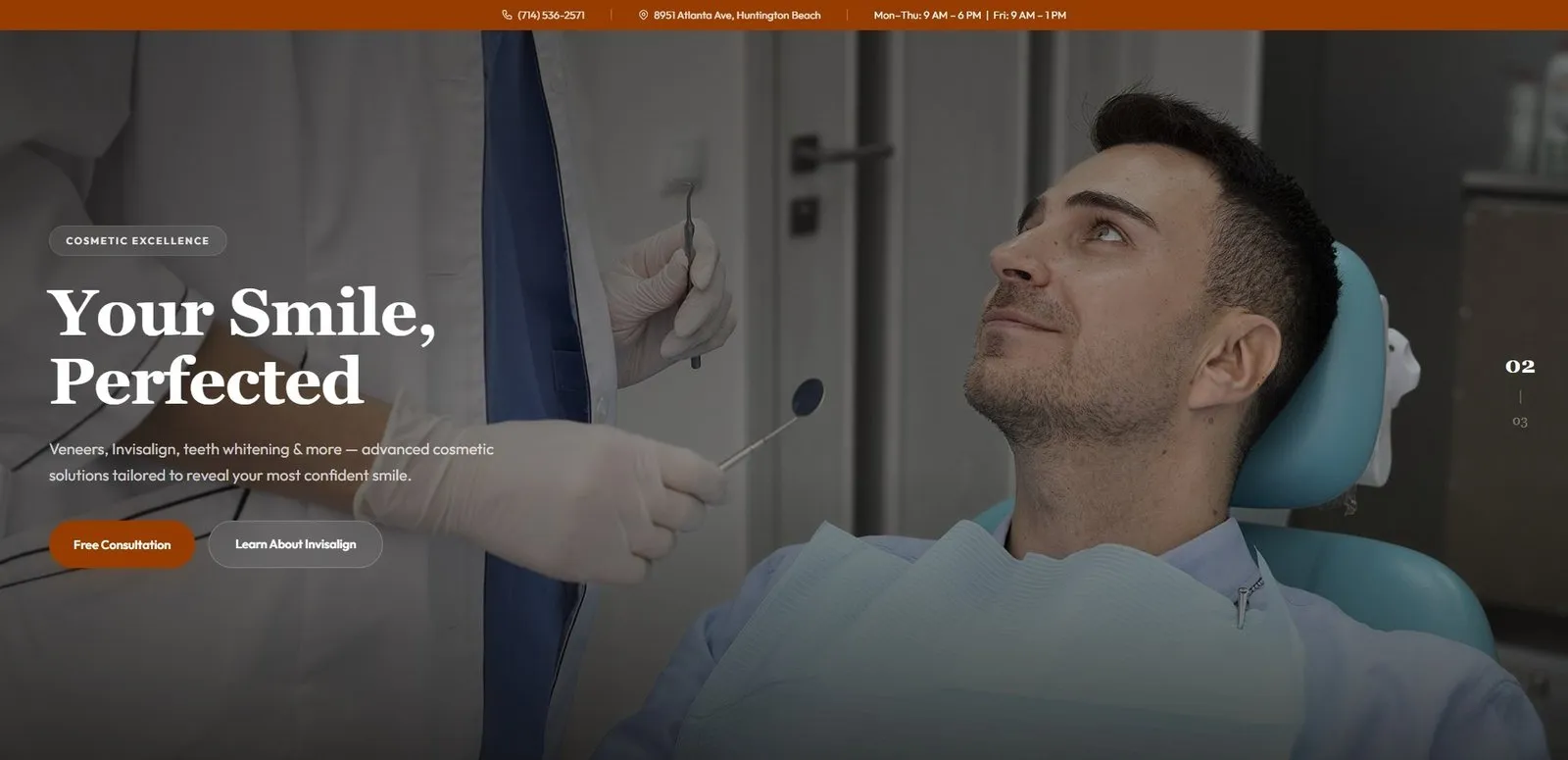

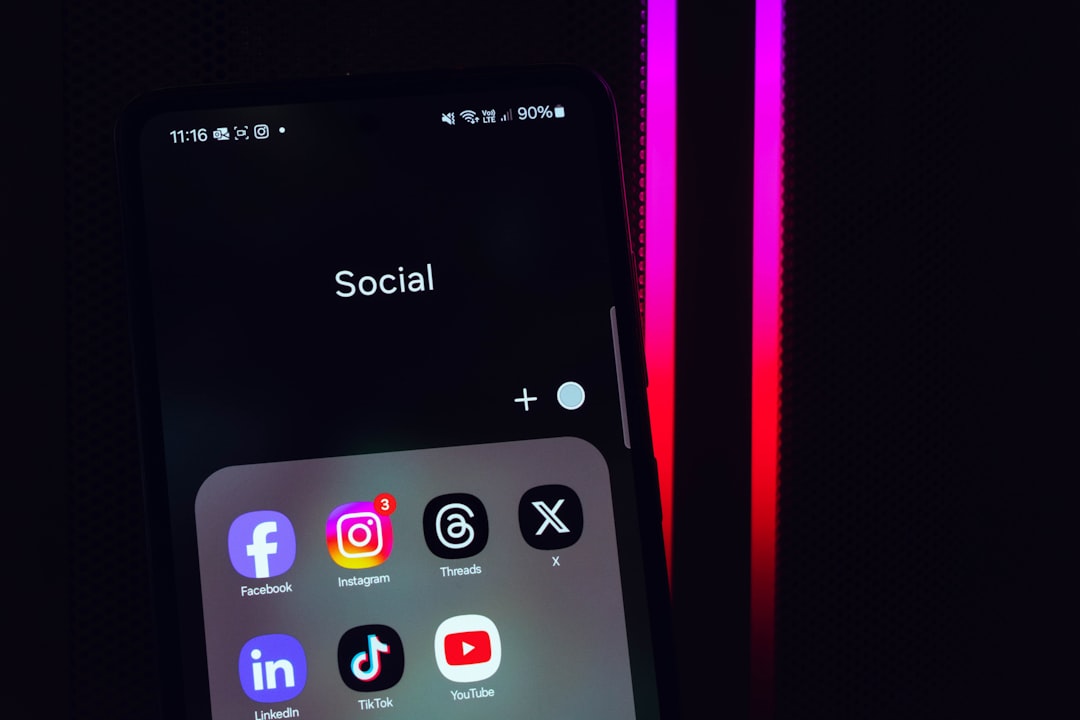
Most small business owners we meet in Orange County are running eight marketing channels badly instead of three well. There is a website that hasn’t been updated in a year, a Google Business Profile the receptionist claimed once, an Instagram that posts twice a month, a Facebook page mirroring it, a LinkedIn nobody logs into, a TikTok started during a slow week, a paid Google Ads account someone paused, and an email list that hasn’t been mailed since a holiday promo. Each channel gets a sliver of budget, a sliver of attention, and a sliver of a result. Together they produce almost nothing you can measure.
This guide walks through the honest way to choose channels: pick three, fund them, measure them, and ignore the rest until those three are working. That is what digital marketing strategies for small business owners actually look like when the goal is leads, not activity.
How many marketing channels should a small business use?
Most small businesses should run three marketing channels at once — no more. Three is the number where an owner or a small team can produce enough volume on each channel to move a metric, measure what is working, and still have time to run the business. Two channels is fine if budget is tight. Four is possible with an in-house marketer or an agency. Eight is not a strategy; it is a spread bet that guarantees underperformance on every channel because none gets the frequency, budget, or creative attention it needs to compound.
The three should include one channel that captures existing demand (people already searching for what you sell), one channel that builds familiarity in your service area, and one channel that lets you follow up with people who already know you exist. That is usually some mix of local SEO, social or paid ads, and email or SMS.
Criterion 1: Where your buyers already search
Start with the channel that captures demand you don’t have to create. If someone types “emergency plumber Huntington Beach” into Google at 9pm, the plumber who shows up first, has 200 reviews, and answers the phone wins that job. No amount of Instagram posting changes that outcome.
For most local service businesses — dentists, contractors, HVAC, painters, salons, flooring companies — the highest-intent channel is Google search and the Google Business Profile map pack. This is why local SEO tends to sit in slot one for service businesses. You can read how we approach demand-capture for a specific vertical in the 60-day call-growth playbook we run for OC plumbing companies, which walks through the actual sequence: GBP cleanup, review velocity, and service-page structure.
Ask yourself: when someone in my city has the exact problem I solve, where do they go first? That is channel one. Don’t overthink it.
Criterion 2: What you can sustain every month

A marketing channel is a habit, not a launch. The reason most small business channels die is not that they don’t work — it’s that the owner can’t sustain the input. Blogging twice a week sounds fine in January. By March, the roofing job is behind schedule, the assistant quit, and the blog is a graveyard.
Before committing to a channel, answer honestly:
- Who is producing the content, ad copy, or posts every week?
- What happens the week that person is sick, slammed, or on vacation?
- Can this be produced in under two hours a week, or does it require a specialist?
- Do we have the budget to fund it for at least six months before judging results?
SEO and content marketing take three to six months to compound. Paid ads produce leads the same week but stop the day you turn them off. Social media requires consistent posting for months before the algorithm decides you exist. If you can’t sustain the input for the full cycle a channel requires, pick a different channel or hire someone to run it.
Criterion 3: What you can actually measure
If a channel doesn’t produce a number you can tie to a lead or a customer, it doesn’t belong in your top three yet. “Brand awareness” is not a measurement — it is what channels claim when they can’t show a result.
For each channel, decide up front:
- What is the lead action? (Phone call, form fill, booked appointment, walk-in.)
- How will we know the lead came from this channel? (Call tracking, form source field, promo code, Google Analytics event.)
- What is a realistic monthly target for the first 90 days?
- What is the cost per lead we would consider a win versus a waste?
Owners who want a plainer walkthrough of this can start with how to measure your marketing ROI even if you’re not a data person. The point isn’t to build a data science stack — it’s to make sure you never again pay for a channel you can’t prove worked.
The channels, one honest line each
Here is the short list, with the tradeoff on each so you can pick without a sales pitch:
- Local SEO + Google Business Profile — Highest ROI for local service businesses. Slow to start (3–6 months), compounds for years.
- Google Search Ads — Instant demand capture. Expensive per click in Orange County, stops the moment you pause spend.
- Meta ads (Facebook/Instagram) — Good for visual services and offers. Requires strong creative and steady testing.
- Organic social (Instagram/TikTok) — Cheap to start, expensive in time. Builds familiarity, rarely drives direct leads for service businesses.
- Email/SMS to your existing list — Highest ROI channel in most businesses, and the one owners most often ignore.
- Referral and review programs — Not technically “digital,” but a review-request system belongs in your top three more often than TikTok does.
- Content/blog/ + GEO (AI search) — Long-term visibility play, including inside ChatGPT and AI Overviews. Best paired with SEO, not run alone.
- LinkedIn — Only if you sell B2B or high-ticket professional services. Skip it otherwise.
If you are picking three from that list for a local service business, the default answer is: local SEO, one paid channel, and email/reviews. Everything else waits.
Which channel should a local business start with?
A local service business should start with local SEO and the Google Business Profile, because it captures people already searching to buy. Every other channel — social, email, ads, content — works better when your Google presence is solid, because familiar buyers Google you before they call. If your GBP has thin categories, few reviews, and no service pages backing it up, paid ads will send traffic to a weak destination and social will drive people to a profile that doesn’t convert.
Once the GBP and site are ranking and converting, add a paid channel to fill in slower months, then add email or SMS to work the list you already have. That order — organic, paid, retention — is the sequence we recommend for most owners, and it is the backbone of our small business SEO service.
Three worked examples: dentist, contractor, restaurant

These are hypothetical examples, not client case studies, but they show how the criteria play out.
Dentist (single location, general and cosmetic). Channel one: local SEO with a focus on service pages for high-value procedures (implants, veneers, invisalign) and a review-request system after every appointment. Channel two: Google Search Ads on high-intent procedure keywords, geo-fenced to a 10-mile radius. Channel three: email and SMS reminders to the existing patient list for cleanings and treatment plans. Skipped: TikTok, LinkedIn, blog on flossing tips.
Contractor (remodel and additions). Channel one: local SEO and a portfolio-driven website that ranks for “kitchen remodel” and “home addition” in specific cities. Channel two: Meta ads featuring before/after project photos with a lead form. Channel three: a structured referral program with past clients and a Google review push after every project close. Skipped: daily Instagram Reels, LinkedIn, cold email.
Restaurant (independent, one location). Channel one: Google Business Profile with menu, weekly photos, and review responses. Channel two: Instagram with real food photos and short-form video, posted three times a week. Channel three: email/SMS list built from the reservation system for slow-night promotions. Skipped: paid search ads (rarely worth it for casual dining), a blog, LinkedIn.
Notice what each business is not doing. Nobody is on eight channels. Nobody is running a podcast. Nobody is “building a brand” without a way to measure whether the brand is producing customers.
The honest close
Picking three channels is harder than picking eight because it forces a decision. You have to look at a channel someone once told you was important and say “not this year.” That is uncomfortable, and it is also why most small business marketing budgets underperform: nobody said no to anything.
If you want a second set of eyes on which three channels fit your business, book a free website and marketing audit and we will tell you honestly which channels are working, which are wasting money, and which one you should cut this month. No contract, no sales pitch dressed as a strategy call — just the short list of what to keep and what to stop.
Photos by Vitaly Gariev, Brands&People, Panos Sakalakis, Omar Lopez on Unsplash.